

How to boost elder immunity: a practical guide
TL;DR:
- As people age, their immune systems gradually decline, increasing vulnerability to infections.
- Practical, evidence-based strategies like proper nutrition, regular exercise, sufficient sleep, and vaccination can support elder immunity effectively.
As people age, the immune system undergoes a gradual decline known as immunosenescence. This process makes older adults significantly more vulnerable to infections, slower to recover, and less responsive to certain treatments. Understanding how to boost elder immunity is not about finding a miracle supplement. It is about applying a set of practical, evidence-based strategies across nutrition, lifestyle, and preventive care that work together to keep the body’s defences as strong as possible for as long as possible.
Table of Contents
- Key takeaways
- Nutrition for elder immune support
- Lifestyle habits that strengthen immunity
- Vaccination strategies for older adults
- Monitoring and maintaining immune health
- My perspective on elder immune care
- Supporting healthy ageing with Vivetus
- FAQ
Key takeaways
| Point | Details |
|---|---|
| Nutrition fills the gaps | Deficiencies in vitamins D, C, zinc, and selenium weaken immunity; prioritise whole foods before supplements. |
| Exercise slows immune ageing | At least 150 minutes of moderate activity per week supports natural killer cell and T lymphocyte function. |
| Sleep is non-negotiable | Fewer than six hours of sleep significantly raises infection risk; aim for seven to nine hours nightly. |
| Vaccines compensate for decline | Updated vaccines for influenza, pneumococcal disease, RSV, and COVID-19 are among the highest-yield interventions for older adults. |
| Track and adjust | Monitoring sleep, activity, and vaccination status makes immune support measurable and manageable. |
Nutrition for elder immune support
The immune system depends on a consistent supply of micronutrients to function correctly. Deficiencies weaken immunity and increase susceptibility to infections, particularly in older adults who may absorb nutrients less efficiently than younger people.
The most relevant micronutrients for seniors include:
- Vitamin D: Supports immune cell activation. Many older adults are deficient due to reduced sun exposure and lower skin synthesis capacity.
- Vitamin C: Supports neutrophil function and skin barrier integrity. Found in citrus fruits, peppers, and leafy greens.
- Vitamin E: An antioxidant that protects immune cells from oxidative damage. Sources include nuts, seeds, and vegetable oils.
- Vitamin A: Maintains the integrity of mucous membranes, the body’s first line of defence.
- Vitamins B6 and B12: Support antibody production and white blood cell development.
- Zinc: Needed for immune cell development; low levels are common in elderly populations.
- Selenium: Supports antioxidant defence and viral immunity.
The priority should always be a varied, whole-food diet. Whole foods maintain immune health more reliably than broad supplement use, because food delivers nutrients in combinations the body recognises and uses efficiently. Think oily fish, eggs, leafy vegetables, legumes, nuts, and fortified dairy or dairy alternatives.
Caregivers should watch for signs of potential deficiencies: frequent infections, slow wound healing, persistent fatigue, or unexplained weight loss. These may indicate a gap worth investigating with a GP or dietitian.
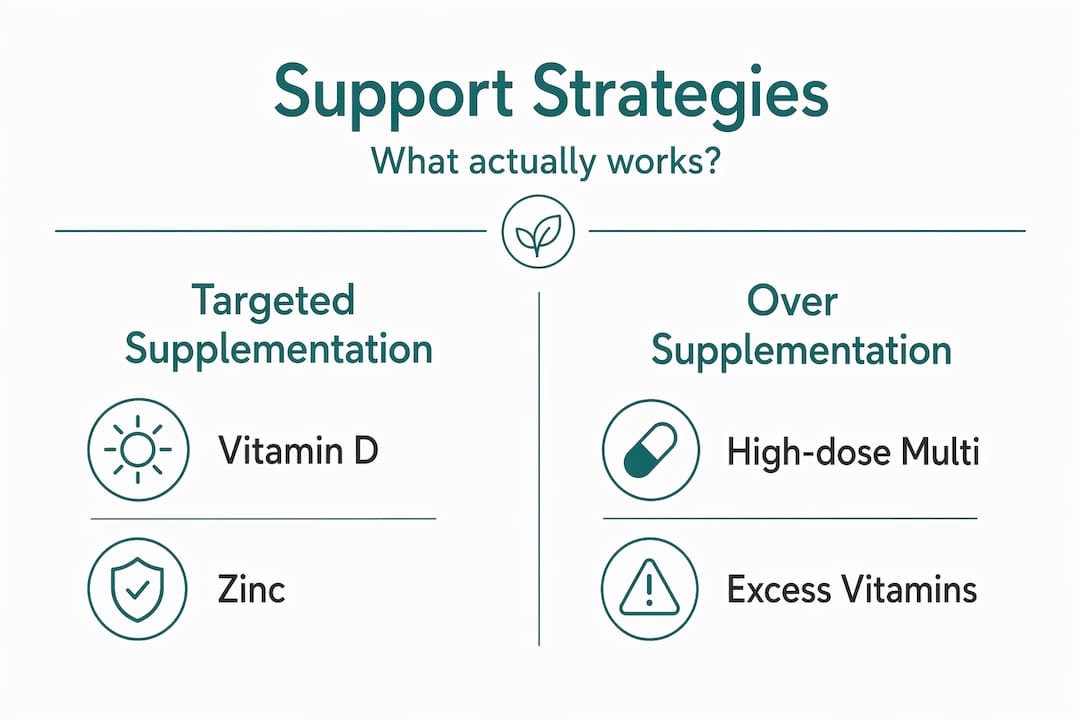
Where deficiencies are confirmed, targeted correction with vitamin D or zinc is the most evidence-backed approach. Broad commercial “immune blends” with unproven ingredient combinations are rarely more effective and sometimes counterproductive in high doses. Vivetus provides an evidence-based immunity guide that helps distinguish between supplements with solid clinical backing and those with weaker evidence.
Pro Tip: If a senior you care for eats a narrow diet due to dental issues, swallowing difficulties, or appetite loss, ask a GP to check vitamin D, B12, and zinc levels before purchasing any supplements.
Lifestyle habits that strengthen immunity
Nutrition provides the raw materials, but daily habits determine how well the immune system uses them. For older adults, immunosenescence responds best to multi-domain lifestyle interventions rather than any single change. Here is what the evidence supports most clearly.
-
Exercise regularly. Older adults should aim for at least 150 minutes of moderate-intensity activity each week. Brisk walking, swimming, cycling, or chair-based exercise all count. Regular physical activity improves neutrophil and T lymphocyte function, directly slowing the pace of immune ageing.
-
Prioritise sleep. Sleeping fewer than six hours per night raises the risk of catching a cold by 4.2 times compared to those sleeping over seven hours. For older adults, seven to nine hours per night is the target. A consistent bedtime, limiting caffeine after midday, and reducing screen time before bed all support better sleep quality.
-
Manage stress. Chronic stress accelerates immune ageing. Mindfulness meditation reduces pro-inflammatory gene expression in older adults, making it one of the more evidence-supported stress reduction tools available. Simple practices like ten minutes of focused breathing each morning can make a measurable difference over time.
-
Stop smoking. Smoking damages the mucosal lining of the airways, impairs ciliary function, and reduces immune cell effectiveness. Quitting at any age delivers immune benefits relatively quickly.
-
Stay socially connected. Social isolation is associated with elevated inflammatory markers in older adults. Regular contact with friends, family, or community groups reduces chronic low-grade inflammation and supports immune resilience. This is a factor many caregivers overlook when building an immune support plan.
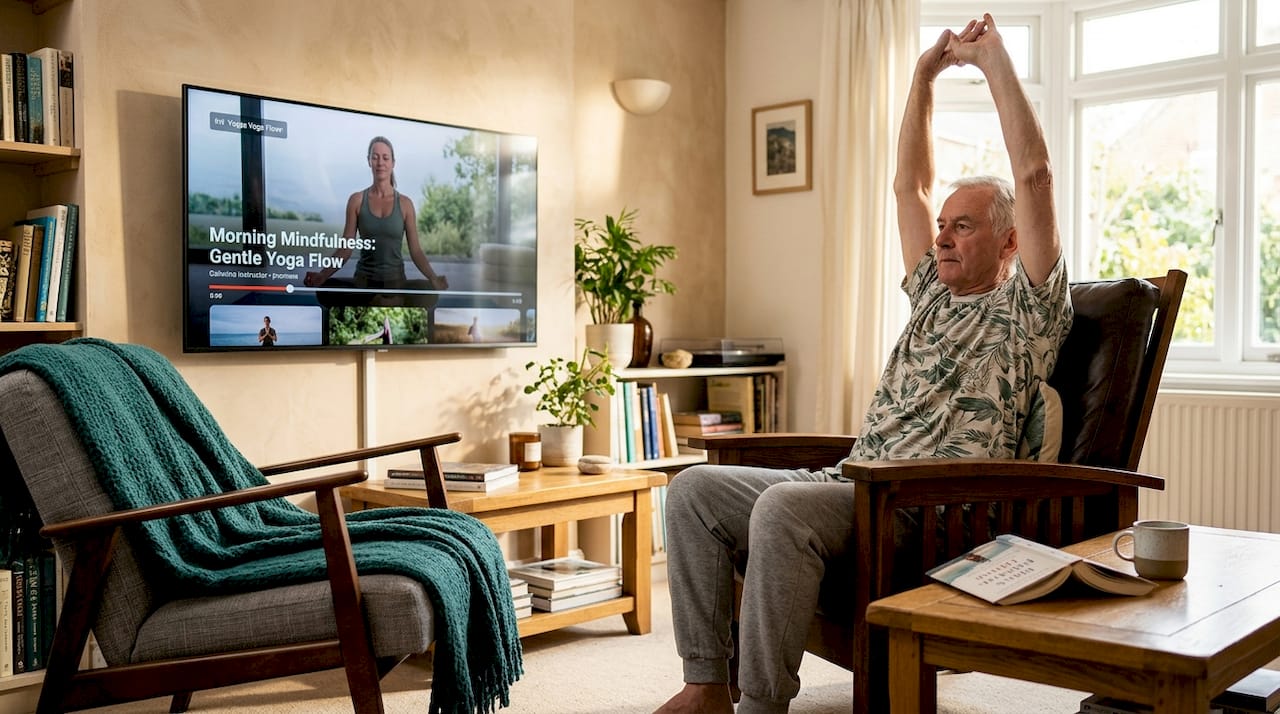
Pro Tip: For older adults with mobility limitations, chair-based yoga or light resistance exercises with a resistance band are effective ways to meet physical activity targets without placing stress on joints.
Vaccination strategies for older adults
Vaccines are one of the most direct tools available for strengthening elder immunity, and they are underutilised. As immune response declines with age, recommended vaccines for older adults often involve higher doses or booster schedules specifically designed to generate an adequate protective response in this demographic.
The table below outlines the key vaccines recommended for older adults, based on current guidance.
| Vaccine | Who it is for | Notes |
|---|---|---|
| Influenza | All adults aged 65+ | High-dose or adjuvanted formulations preferred for seniors |
| Pneumococcal (PCV20/PCV21/PCV15) | All adults aged 50+ | Universally recommended at 50+ with specific dosing sequences |
| COVID-19 (updated) | All older adults | Annual updated dose recommended; timing with seasonal risk matters |
| RSV | 75+ universally; 60-74 with risk factors | RSV vaccine is now recommended as part of standard adult schedule |
| Shingles (Recombivax) | Adults aged 50+ | Two-dose series; shingles risk and severity increase with age |
Vaccination timing aligned with seasonal risk delivers some of the highest returns of any immune intervention in older adults. Influenza and COVID-19 vaccines should ideally be received in early autumn before peak respiratory virus season.
Discuss the full schedule with a GP or pharmacist. Many older adults and caregivers are unaware that pneumococcal vaccines now cover a wider range of strains than previous versions, or that RSV vaccination was added to adult recommendations only recently. Checking vaccination records and identifying any gaps is a straightforward, high-impact step.
Monitoring and maintaining immune health
Knowing what to do is one thing. Staying consistent and knowing when something is wrong is another. Making immune support measurable through tracking helps both elders and caregivers stay accountable.
Practical things worth monitoring include:
- Sleep duration: A simple sleep diary or wearable tracker can reveal patterns that disrupt rest.
- Weekly physical activity: Recording minutes of movement each day makes it easy to see whether targets are being met.
- Vaccination records: Keep an up-to-date list of all vaccines received and their due dates.
- Nutritional habits: A brief food diary for one week can highlight consistent gaps in fruit, vegetable, or protein intake.
Signs that immune health may be declining include frequent colds or respiratory infections, wounds that are slow to heal, persistent low energy, and recurring urinary tract infections. These are signals to speak with a GP rather than reach for additional supplements.
The table below compares two common approaches to elder immune support and their relative evidence base.
| Approach | Evidence strength | Practical notes |
|---|---|---|
| Targeted vitamin D or zinc supplementation | Strong, when deficiency is confirmed | Dose based on blood test results |
| Broad commercial immune blends | Weak to moderate | Often underdosed; some may interact with medications |
| Regular moderate exercise | Strong | Sustainable at any fitness level with adjustments |
| Consistent 7-9 hours sleep | Strong | Address underlying causes like pain or anxiety |
| Annual flu and updated COVID-19 vaccine | Very strong | Most direct intervention for seasonal infection risk |
One of the most common mistakes in immune support for seniors is over-supplementing. Taking large doses of fat-soluble vitamins such as A, D, and E without confirmed deficiency can cause harm rather than help. The Vivetus guide on supplement safety for ageing covers safe upper limits and what to watch for.
My perspective on elder immune care
I have spent a considerable amount of time reviewing what actually works for older adults trying to maintain their immune health, and the single thing that stands out to me is how much the supplement industry oversells quick fixes for a problem that requires patience and consistency.
What I find consistently underappreciated is the power of sleep. Most care plans I have seen focus heavily on nutrition and exercise, which are both important. But sleeping fewer than six hours is a greater immune risk than skipping a vitamin supplement, and it rarely gets the same attention. If I were advising a caregiver on where to start, I would say: sort out the sleep first.
I am also sceptical of the way many products market themselves as “immune boosters.” The more accurate framing, backed by solid research, is that you are filling gaps and reducing stressors. There is no supplement that adds immunity on top of an already healthy system. What there is, is the ability to correct what is missing and reduce what is harmful.
The other thing I have come to believe strongly is that caregivers are underestimated participants in this process. Their behaviour, their stress levels, and the quality of the environment they create directly shape the health outcomes of the person they care for. Supporting the caregiver is, in many ways, as important as supporting the elder.
— Jord
Supporting healthy ageing with Vivetus
If you are looking to take the next step after reading this guide, Vivetus has a range of resources built specifically for older adults and their caregivers.
Vivetus specialises in nutritional supplements designed to support healthy ageing, backed by scientific evidence rather than marketing claims. Whether you are looking to address a confirmed deficiency or understand which supplements are appropriate for someone over 50, the Vivetus blog offers detailed, evidence-informed guidance. The supplement choices after 50 guide is a good starting point for understanding what is genuinely supported by clinical data. For a broader overview of products aligned with healthy ageing, visit Vivetus to explore the full range. Free shipping is available on orders over €50, making it practical to get the right products delivered wherever you are.
FAQ
What is immunosenescence?
Immunosenescence is the gradual decline of the immune system that occurs with age. It reduces the body’s ability to fight infections, respond to vaccines, and recover from illness efficiently.
Which vitamins are most important for elder immunity?
Vitamins D, C, E, B6, and B12, along with zinc and selenium, are the most evidence-backed micronutrients for immune function in older adults. Deficiencies in these are common in elderly populations.
How does exercise help the immune system in older adults?
Regular moderate exercise improves natural killer cell, neutrophil, and T lymphocyte activity. Research shows it directly slows the immune ageing process associated with immunosenescence.
Which vaccines are recommended for adults over 65?
Current guidance recommends annual influenza vaccines (high-dose formulations for seniors), updated COVID-19 vaccines, pneumococcal vaccines, RSV vaccine from age 75, and the two-dose shingles vaccine from age 50.
Can too many supplements harm an older adult’s immune system?
Yes. High doses of fat-soluble vitamins such as A, D, and E can accumulate to harmful levels. Supplementation is most effective and safest when based on confirmed deficiencies identified through blood testing.